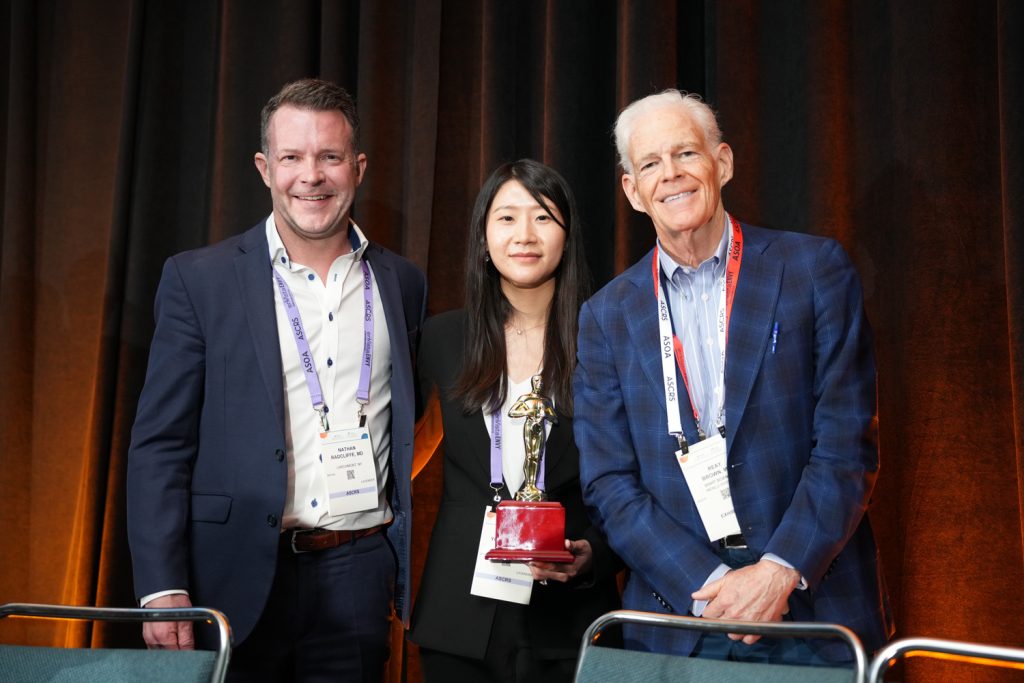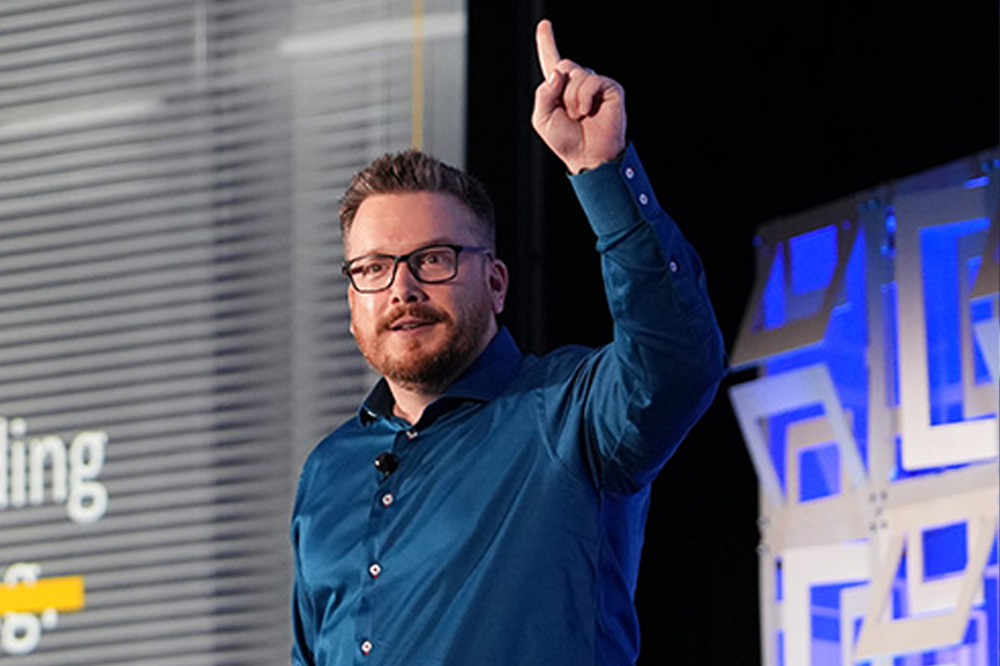

The inaugural SightLine at ASCRS took place on April 24 ahead of the ASCRS Annual Meeting in Los Angeles, California. ASCRS Executive Director Steve Speares kicked off SightLine at ASCRS, first thanking the sponsors of the meeting.
20/10 Visionary Sponsors included: AbbVie, Alcon, Bausch + Lomb, Carl Zeiss Meditec, Harrow, Johnson & Johnson Vision, STAAR Surgical, and Tarsus.
20/20 Signature Sponsors included: Aurion, BVI, Glaukos, LENSAR, and RxSight.
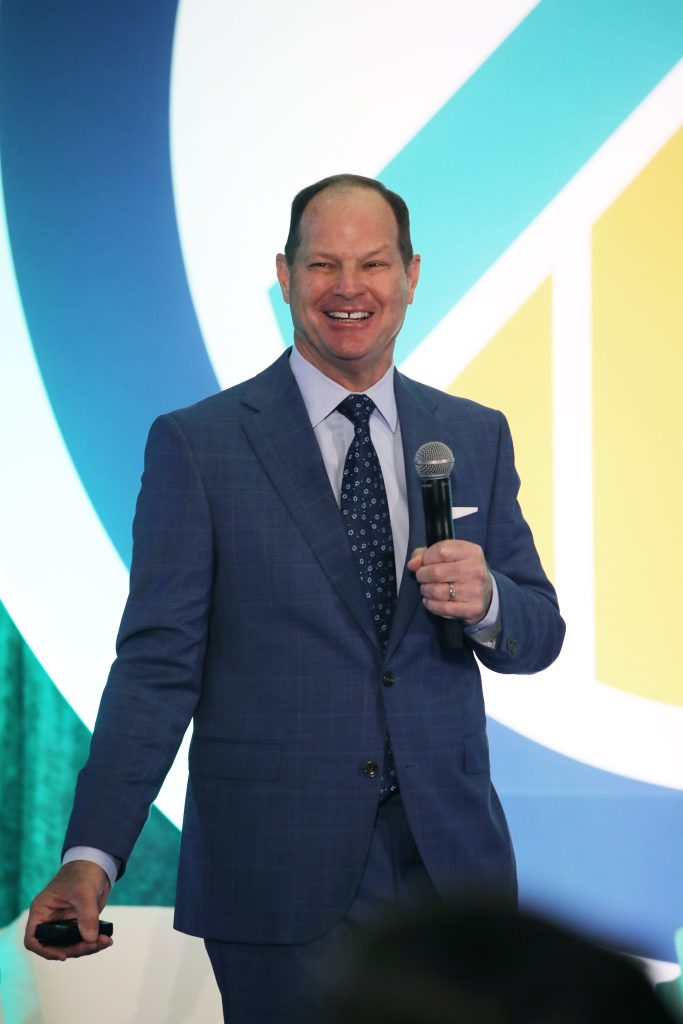
The purpose of this meeting, Mr. Speares said, is to inform the key stakeholders in commercial ophthalmology of the near, intermediate, and distant challenges and opportunities that exist. Coming out of COVID-19, it feels like there are numerous challenges, but there are opportunities, too, he said.
Source: ASCRS
ASCRS is uniquely positioned to serve as a collaborator for various stakeholders, he added, and these stakeholders include those who help keep practices running (like managers and the ASOA organization) and industry partners.
Mr. Speares questioned the financial condition of commercial ophthalmology, first defining “commercial ophthalmology.” “We think it’s everything that touches a commercial interaction inside of a practice,” he said, adding that it’s incredibly important that commercial ophthalmology is healthy and thriving in this country. Stakeholders of commercial ophthalmology encompass a variety of players, including surgeons, office managers, and industry partners.
Mr. Speares shared results from a survey sent prior to SightLine at ASCRS to some of these stakeholders. The first question was:
As you consider your firm’s financial condition, which best describes your feeling about the next 5 years?
Industry was generally optimistic. Of the 81 respondents, 61.7% were optimistic, and 18.3% were very optimistic.
Administrators (106 respondents) were also generally optimistic, with 50% noting they were optimistic and 8.5% indicating very optimistic.
However, of the 184 surgeon respondents, 50.5% said they were pessimistic and 12.5% said they were very pessimistic.
The second question asked was:
If you were providing investment advice to someone, how would you characterize ophthalmology as an investment opportunity?
Industry, for the most part, said they would categorize it as a logical part of a balanced portfolio. Of 61 respondents, 58.3% chose this response.
Administrators were split, with 43.4% of the 106 respondents indicating that it’s a logical part of a balanced portfolio and 34% indicating that it’s low growth, low risk.
Of 182 surgeon respondents 34.6% said they would characterize ophthalmology as a logical part of a balance portfolio, 34.1% indicated it was low growth, low risk, and 21.4% said to avoid at all costs.
“We’ve got a lot of work to do with surgeons,” Mr. Speares said. “This is the purpose of the meeting, to try to constantly measure and assess what we’re going to do.”
Market update
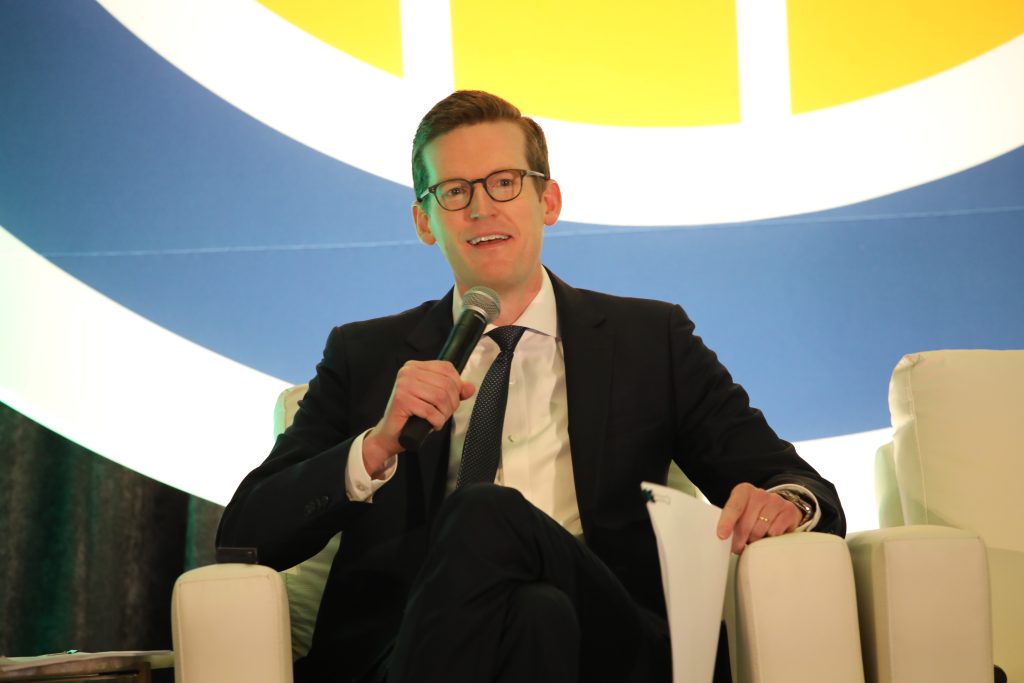
Mike Connor from J.P. Morgan gave an ASCRS Market Update. Macro headwinds and tariff uncertainty are causing heightened volatility, he said.
So where are we from a market outlook standpoint and how have things changed from the beginning of the year? Mr. Connor said the outlook for inflation is relatively unchanged despite all the different policies being discussed. Interest rates and potential fed support remain key points for investors. There is optimism around where the market is going to go by the end of the year.
Source: ASCRS
The challenge for therapeutics has been that the pre-tariff broader market was up 80% in the last 5 years, while biotech was down, he said. There is a gap in therapeutic stock performance versus S&P 500, and that speaks to how undervalued our sector is; that’s getting a lot of attention from mutual funds at the moment as they think about where to deploy capital. Meanwhile, there has been a lot of pressure on clinical-stage biotech companies, he said.
Ophthalmology has performed in line with broader biotech space over the past few years. Devices stocks have performed better than the therapeutic index, which is likely due to the stage of development when a lot of these companies go public. Med tech usually goes public when they have growing revenues and know what the path to profitability looks like, while biotech usually goes public in clinical development.
Mr. Connor noted that some of the things that investors are looking for are: 1) differentiated products or technologies with strong competitive position, 2) if it’s addressing a meaningful problem, 3) the financial profile of the company, and 4) management teams with significant experience and track records in profitability.
One of the most difficult things for investors to navigate in this market is the correlation between a single stock’s performance and the broader market. It’s hard to invest in a single stock based upon a fundamental thesis because everything by and large is moving with the broader market.
He noted several factors to watch for on tariffs, including negotiations, retaliation, legal/political challenges, economic revisions, and company exposure.
The private market, Mr. Connor said, has been a deep source of financing relative to the IPO market. Biotech IPO activity has been challenged given underperformance and investor preferences toward derisked opportunities. The positive, however, is that there is $4 trillion in uninvested private capital on the sidelines waiting to be deployed.
Continued innovation is going to be the key to our sector’s performance, Mr. Connor said. With ophthalmology specifically, there are large patient numbers with very large market opportunities. That has led to numerous blockbuster drugs and devices, and there’s opportunity for a lot more. These are the things that investors and strategics are looking at, and it’s encouraging to see clinical trials going on in ophthalmology.
Long-term growth continues to be the key driver of valuation and sentiment across the large pharma and major biotech landscape, Mr. Connor said, adding that innovation will continue to lead to significant value.
‘Successfully Leading Through Challenging Situations’
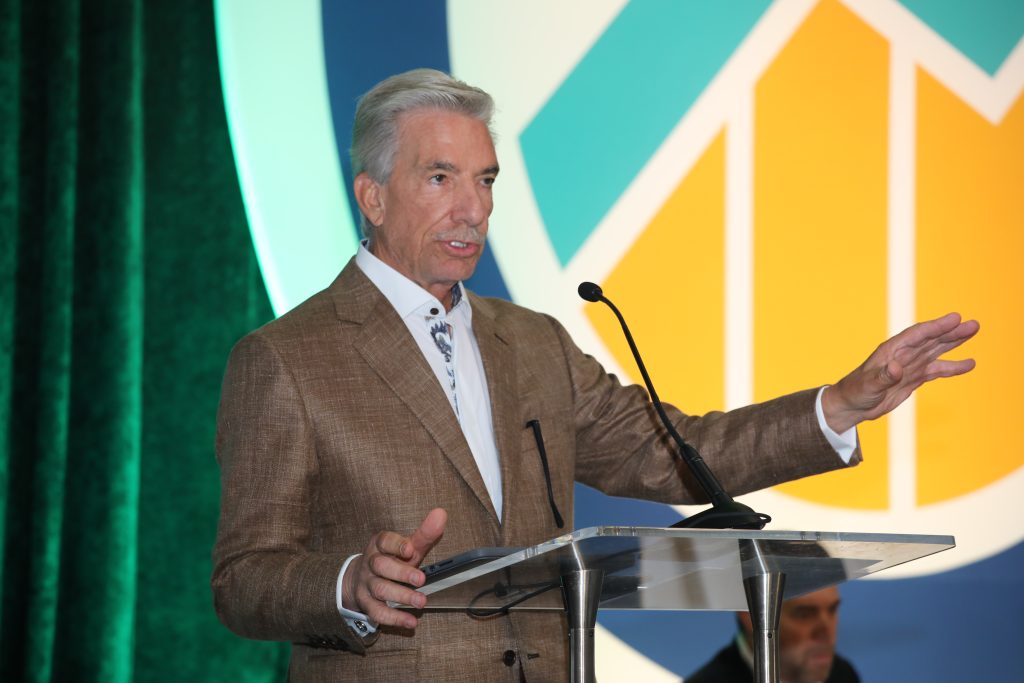
Jim Mazzo, Executive Chairman of Neurotech, led a panel discussion titled “Successfully Leading Through Challenging Situations,” with panelists sharing some of the situations they’ve navigated. “When things are good, everyone looks good,” Mr. Mazzo said. “But when things are bad, you see who folds.”
Brent Saunders, with Bausch + Lomb, discussed handling a product recall. “After my almost 30 years in healthcare industry, I always define the best days and worst days.” The best day is when you get a new product approved, and the worst is when you have to recall a product because risks/benefits were not as intended, he said.
Source: ASCRS
The recall of the enVista lens platform (because of an increased number of reports of TASS) was one of those moments where you see a signal of a product that’s not working as intended in safety data, and you start to see divergence in the signal and have to make a decision. “The decision was easy for us, but repercussions were difficult,” he said. We were not going to sell a product used by surgeons who trust us and patients who rely on us that isn’t working as we intend it to work, so we voluntarily decided to recall the product, he said.
Ultimately, through diligent work, the company was able to interrogate the data and find the source of the problem, and Mr. Saunders noted that it was a supplier issue. We put in enhanced procedures to make sure it wouldn’t happen again, and enVista will be back on the market imminently, he said.
This is the greatest community of doctors, companies, innovators, and smart people, he said, noting that he was reassured by the support during this difficult situation. Even competitors rose to help and support us, he said, adding that it made him proud to be part of ophthalmology. Doctors and surgeons wanted to help as well.
Peter Menziuso, with Johnson & Johnson Vision, discussed taking over a new leadership role where there were product challenges critical to the business.
When he started working with Johnson & Johnson Vision around 3 years ago, there was a problem with the VERITAS phaco system having inconsistent performance. We want to first do what’s right for patients and doctors, he said, adding that there was a recall on the system in order to try to get to the root cause of what was causing inconsistent performance. There was a lot of pressure to get our systems back in the market fast, he said.
But the leadership lesson that Mr. Menziuso shared was the importance of having the courage to continue to do what’s right. It was important to allow teams to get to what was causing that inconsistency in performance and allow the teams to have access to top experts to figure out the issue. The company wanted to ensure they were breaking down the problem completely so that the product was brought back to market with high confidence. It’s also important to make sure there’s a mechanism to test, he said. Now, we’re very thoughtful on technical market releases that go to the full marketplace and working as an end-to-end organization, he said.
Editors’ note: The speakers at SightLine have financial interests with the companies they represent.