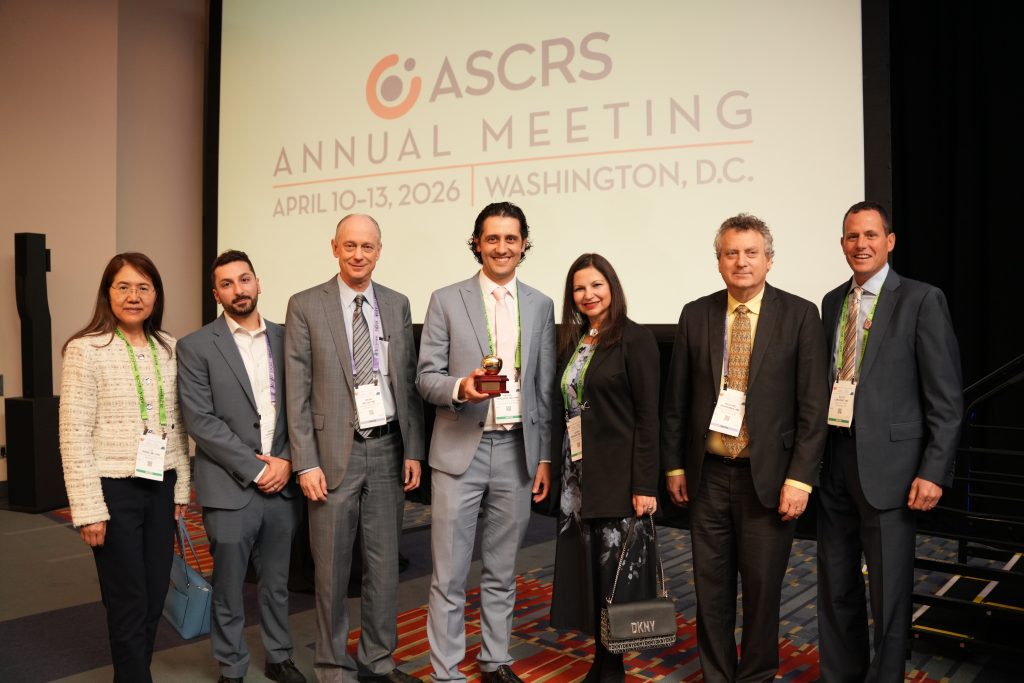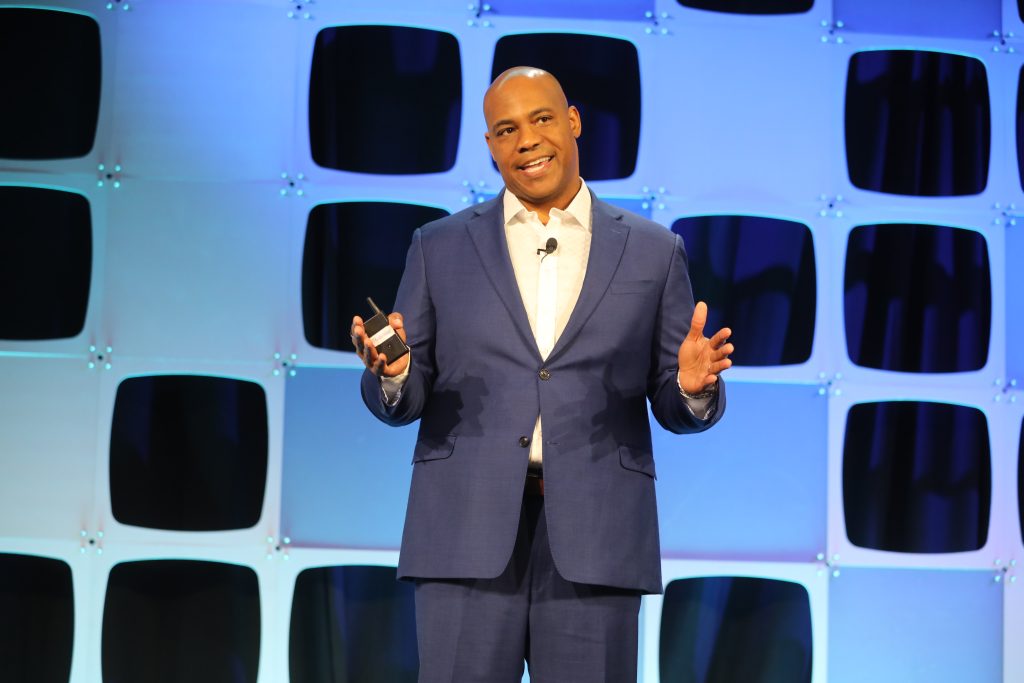
The 9th annual Steinert Lecture was delivered by Steven Dell, MD, during ASCRS Refractive Day on April 10. Kendall Donaldson, MD, who introduced the lecture and speaker, called Dr. Dell a defining voice in refractive surgery for 3 decades.
Dr. Dell’s lecture, “The Evolution of Refractive Surgery: From Fringe to Forefront,” began with a time when “refractive surgery” wasn’t even part of the American Society of Cataract and Refractive Surgery’s name. It was added during the mid-1980s with the rise of RK and subsequent refractive procedures. Fast forward to present where surgeons are accustomed to seeing 20/20 results in the high 90th percentile on multiple LASIK platforms, with similar results being achieved with phakic IOLs and KLEx, Dr. Dell said.
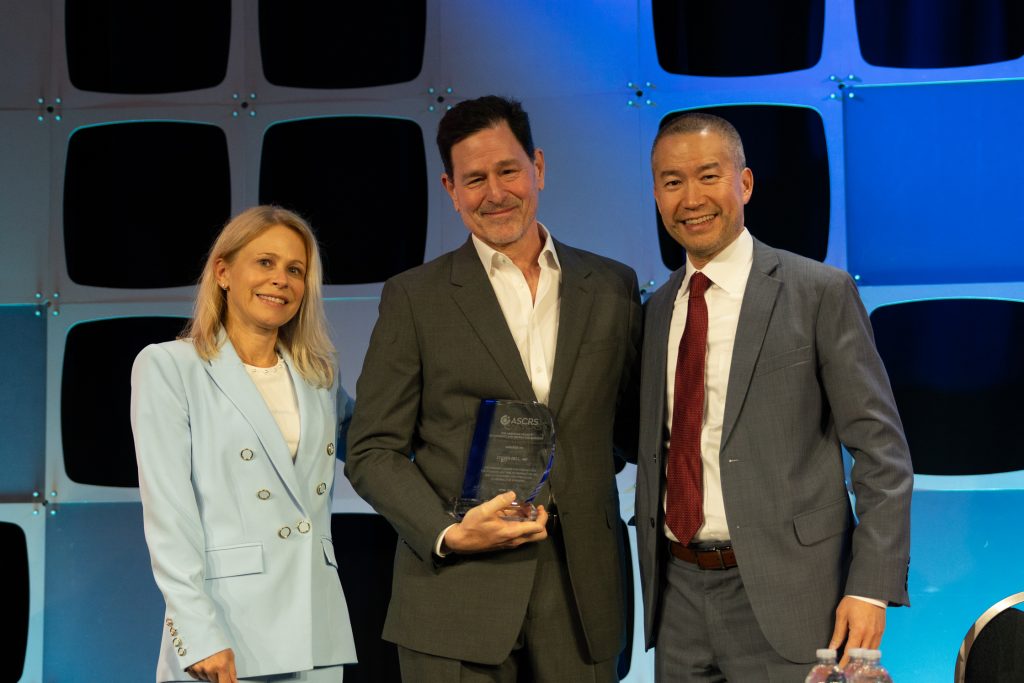
Source: ASCRS
Twenty years ago, laser vision correction volume was at an all-time high, but presbyopia-correcting IOLs were largely unknown to the public, Dr. Dell said. There was minimal LRI adoption, toric options were limited, no photo-sensitive lenses like the Light Adjustable Lens (LAL, RxSight), less advanced biometry/formulas, and dry eye and the vitreous were largely ignored. RLE was considered highly aggressive.
In 2026, laser vision correction is at an all-time low, but patients are more familiar with presbyopia-correcting IOLs, with many actively seeking them, Dr. Dell said. AKs and toric IOLs are considered mainstream, with many options available. RLE is more accepted. Biometry is better, and dry eye and the vitreous are recognized and managed.
“We’ve seen this steady progression of the elevation of the bar of what is considered successful cataract surgery,” Dr. Dell said. Questionnaires (now often in the form of apps, chatbots, and AI agents) have helped shift patient expectations, streamline complex conversations, and reveal visual goals.
Dr. Dell said we’re heading toward accommodating IOLs, and there is a growing understanding about the forces within the aging eye that can be used to alter the position or shape of these IOLs.
But why is laser vision correction down and why does Dr. Dell think phakic IOLs should be included in this assessment as well? First, he said that the numbers of the early 2000s likely included patients who would not receive LASIK today (such as certain hyperopes and presbyopic patients), so the numbers are a bit skewed. But even still, we’re in the midst of the 4th industrial revolution that is being powered by desktops, laptops, handheld devices, biotechnology, and the blurred lines between the physical and digital world, he said. These human interfaces are occurring at near vision, and there is less of a need for human physical proficiency, resulting in less demand for distance vision correction.
“The point I’m making is the importance of near vision has been rising among humans for a very long time, and this trend has accelerated dramatically recently,” he said.
Also, the desirability for spectacles is increasing, even among those who don’t need a prescription but simply want to wear glasses for fashion purposes. What’s more, functional wearables are around the corner. “The spectacle is very valuable real estate as a human interface device,” Dr. Dell said, mentioning several tech companies that will be rolling out AI glasses within the next couple of years.
He also mentioned glasses that have bone-conducting hearing aid devices embedded, structural changes in the optometry workforce that may make them less interested in comanaging laser vision correction patients, negative perspectives about laser vision correction on social media, and the economic challenges faced by the laser vision correction target market.
A point of optimism for laser vision correction, which Dr. Dell clarified may actually be a point of pessimism, is the growing incidence of myopia, which globally is expected to be about 50% of the population by 2050. “This is not evolutionary. …This is adaptive,” he said. “We did this, or we allowed this to happen.”
With the myopia epidemic, demand for ophthalmic services overall in the U.S., and the disparity in the ophthalmic workforce, Dr. Dell said ophthalmologists will remain busy. And it’s still the golden age of ophthalmology, because we can deliver so much, he said.
The key is to listen. “‘Listen to your patient, he is telling you the diagnosis,’” Dr. Dell said, quoting Sir William Osler. “A corollary to all of this is, listen to your patient, they are telling you what they want.”
Editors’ note: Dr. Dell has no relevant financial disclosures.