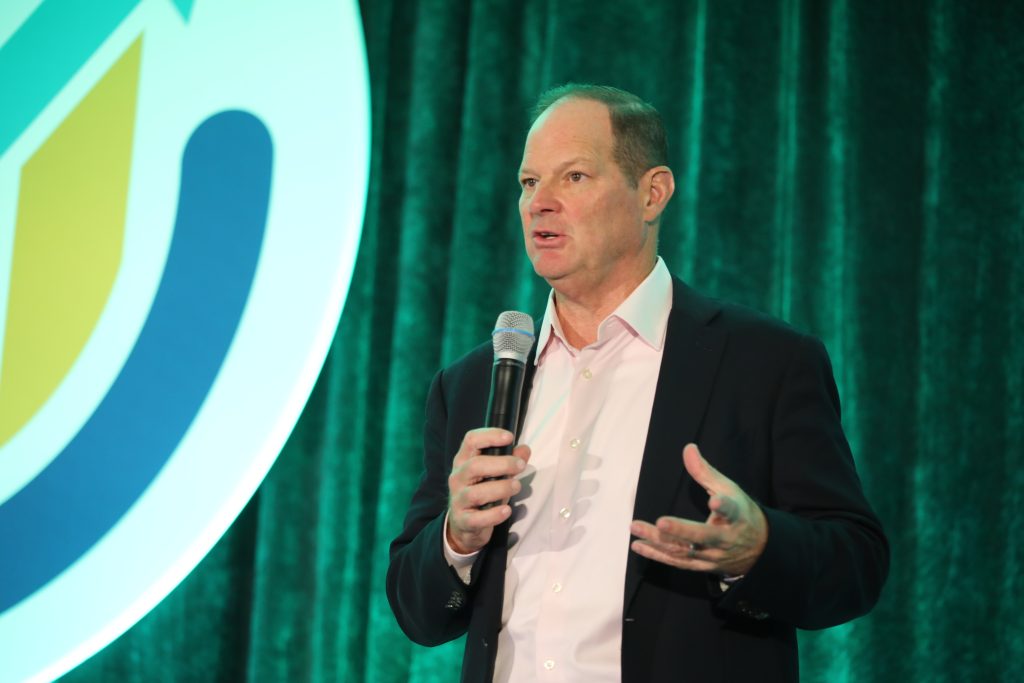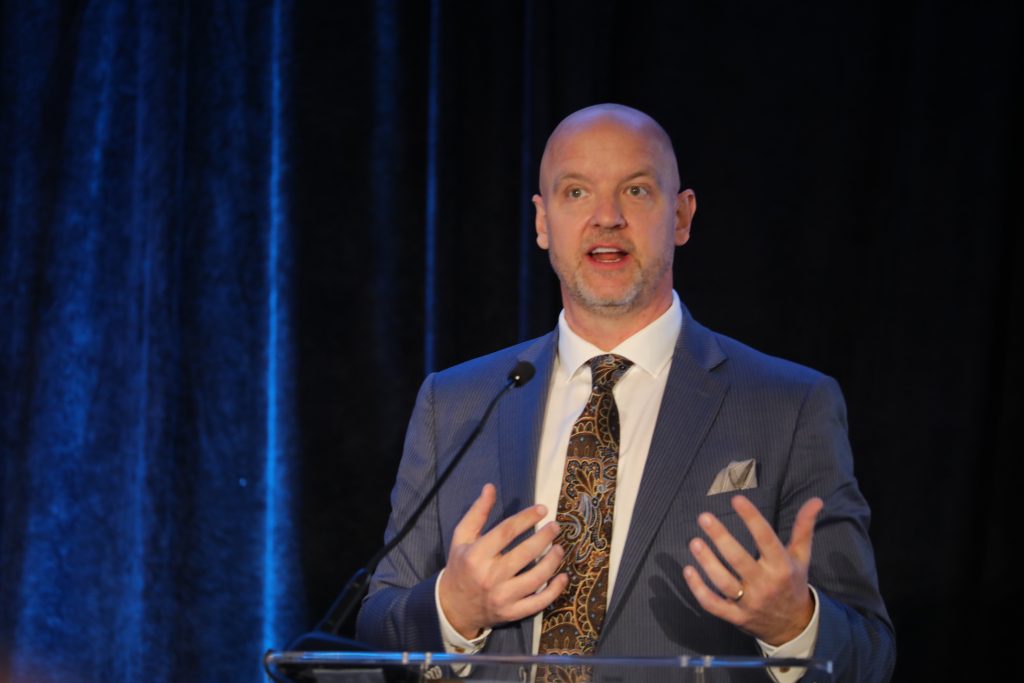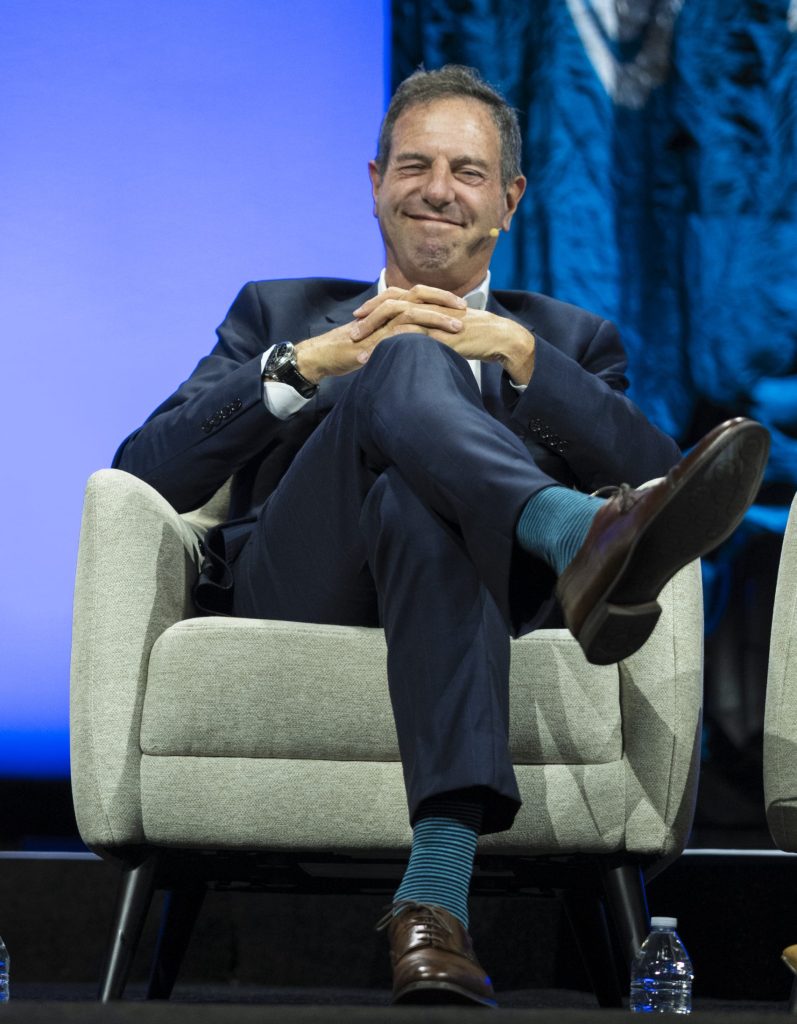
A panel discussion on the SightLine at ASCRS program highlighted what’s going on at the FDA. The session was moderated by Robert Stanislaro with FTI Consulting. Panelists included John Berdahl, MD, Neera Clase with Tarsus, Kuldev Singh, MD, MPH, Barrett Thornhill with Forbes Tate Partners, and Steve Usdin with BioCentury.
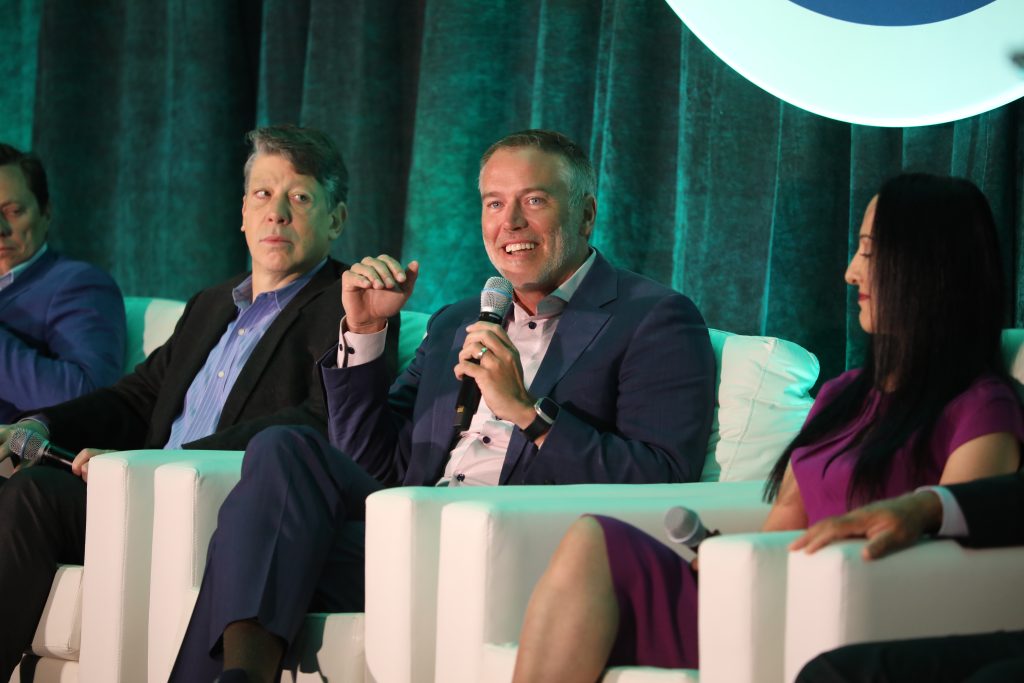
Source: ASCRS
Mr. Stanislaro began the session by mentioning the Sydnexis product and its campaign for approval with the FDA, noting the importance of the ophthalmology community continuing to speak up. SYD-101 is seeking to become the first product approved for pediatric myopia. “If you feel strongly about an issue or product, please use your voice because it’s absolutely critical to help get patients the medicines that they desperately need,” he said.
Mr. Usdin was asked how he would characterize what has changed at the FDA over the past year and what is driving these changes. He has been covering the FDA for more than 30 years, and said, “What’s happened over the past 14 months or so has been extraordinary.” He detailed how changes started with a purge of people who were involved in what the administration considered to be DEI, adding that about 20% of the agency’s staff has either been fired, laid off, or quit. “Morale is not very good,” he said.
The FDA commissioner has scrapped a lot of norms from the agency, Mr. Usdin said. Historically, there has been an expectation that there wouldn’t be political influence in FDA decisions, but that’s changed, and political appointees are explicitly part of the review process now. There has also been a reduction in the use of outside advisory committees to publicly weigh in on approvals. Mr. Usdin added that decisions are being made without the normal due diligence that the FDA would have had, including pricing decisions.
Asked for a historical perspective on the evolution of ophthalmology and the FDA, Dr. Singh weighed in. He noted that the late 2010s to early 2020s were the “heyday of our communication and success with the FDA.” He added that there have been a lot of departures in terms of staff and leadership with the FDA in departments that worked closely with ophthalmology, particularly Wiley Chambers, MD, and Malvina Eydelman, MD.
With all that’s coming down the road, there’s some worry that there may not be enough personnel, Dr. Singh said. It’s hard enough to get people in ophthalmology with clinical training to work with the government, but uncertainty with jobs makes it harder to recruit. There are not enough people with clinical expertise at the FDA now, he said.
Dr. Berdahl described his personal experience working to get a product approved with the FDA and the obstacles he’s encountered with the FSYX Ocular Pressure Adjusting Pump (OPAP, Balance Ophthalmics).
There are a few ways doctors can interact with the FDA, Dr. Berdahl said. The first is in clinical trials, another is by giving advice to companies, and a third is physician entrepreneurs taking their own ideas and bringing them to the FDA.
Dr. Berdahl’s product aims to lower eye pressure while sleeping. He shared this idea with the FDA, and they were responsive and enthusiastic, and they agreed on a study. However, he noted how a negative editorial caused a setback and almost derailed the product by halting the approval process and causing the company to go bankrupt. Dr. Berdahl persevered and bought the company out of bankruptcy and ultimately took it to an FDA panel, backed by his data, and convinced the panel 13–0. The technology is now available to patients and is fighting for reimbursement, he said.
Mr. Thornhill shared how his approach to FDA engagement and policy initiatives has evolved over the past year. He also commented on the advice he’s giving companies.
It’s challenging to recommend how to deal with an agency that seems to have leadership that wants aggressive product approval, but division teams are not complying at times. He thinks the FDA wants these drugs to be perfect, and they’re challenged by having trials that have data that’s not crystal clear. Where we’ve been able to have success is behind the scenes, getting members to call the commissioner or weigh in, he said.
Speaking to companies, he said it’s important to have a plan and support system with the political system. “I wouldn’t have recommended that aggressive approach in the past,” he said, adding that almost every time, something is going to go wrong. It’s important to be thinking through what kind of challenges are likely to occur with the agency and have that financial support ready to go at least 6 months in advance.
To conclude the session, panelists were asked to give one message to the FDA.
“Stabilize,” Dr. Singh said. Personnel stability will be important going forward.
Ms. Clase’s message was for greater flexibility, matched with greater evidence clarity. If evidence requirements change, that’s problematic for all of us, she said.
Dr. Berdahl said he’d want to communicate the importance of not letting non-evidence-based concerns drive clinical approval. He added a second message to entrepreneurs: “If you’re right, then fight.”
Mr. Thornhill called for the approval of the Sydnexis myopia product. The focus on approval times is wonderful, he said. The agency could be doing a better job at shrinking the development time. The industry has spoken, and you have a great example in front of you to do the right thing for patients, he said.