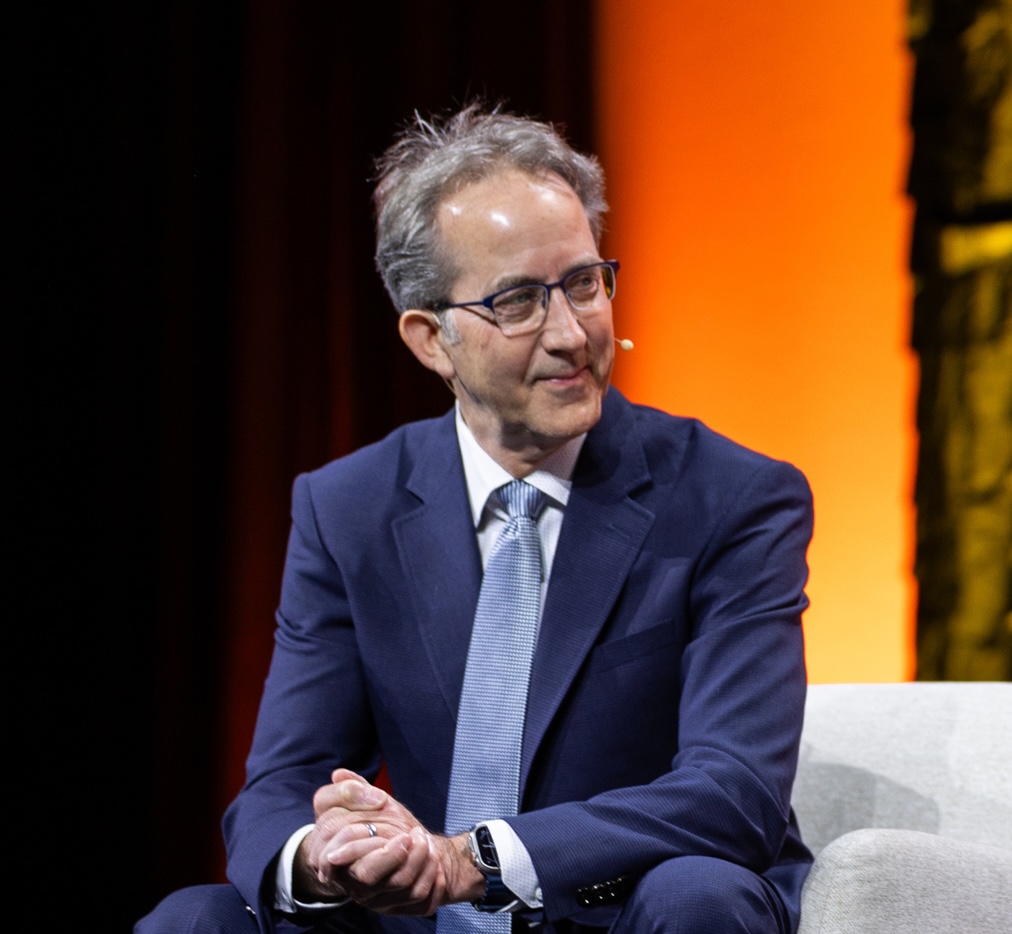
ASCRS Executive Director Steve Speares kicked off SightLine at ASCRS on Thursday, April 9, welcoming attendees to Washington, D.C. He first emphasized the importance of the meeting’s sponsors, thanking those who have made the meeting possible.
This meeting focuses on the financial health of practices. This is not an innovation meeting, Mr. Speares said. SightLine at ASCRS brings together three major stakeholders: surgeons, administrators, and industry partners. There will be times when all three of these stakeholders will be in opposition with different interests, but we have to be comfortable having that dialogue, he said.
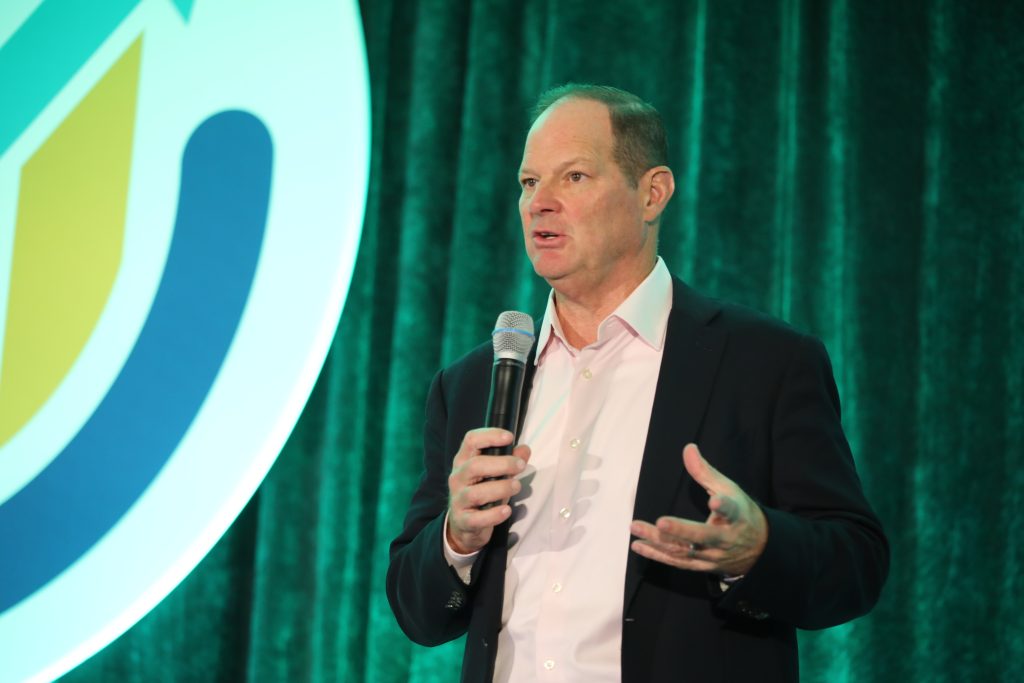
Source: ASCRS
This year’s theme for SightLine at ASCRS is how commercial ophthalmology intersects with the government, including topics like reimbursement and regulatory and legislative issues. “At the end of the day, it’s all about what does the government do that has an impact on ophthalmology,” Mr. Speares said. “One thing we started last year was trying to tie together the unique needs of these three stakeholders.”
Mr. Speares also went through several survey questions—sent to surgeons, administrators, and industry representatives—to gauge attitudes on what’s going on in ophthalmology.
The first question was, “If someone asked you to explain how cataract surgeons are paid by CMS, what is your comfort level in explaining?” Mr. Speares noted that all respondents had a fairly high level of confidence.
When asked about their attitudes toward advocacy in Washington, D.C., Mr. Speares said there was a wide range of responses, including the very positive “we can do anything” to “why bother.” “I get the frustration after an 11% cut,” he said. “But we cannot give up.” Mr. Speares said it’s important to constantly fight for what he thinks is the best value in all of medicine: cataract surgery. “One thing I’ve learned about advocacy in D.C. is you cannot go it alone.” Cataract surgery is the most performed procedure in Medicare, but as important as it is, it doesn’t hold a candle to some of the other advocacy interests in Washington, D.C., he said.
The survey also addressed how stakeholders feel about the availability of information on ophthalmic care through the web, AI, and social media and if this makes it easier to communicate with patients. He noted that responses to this were more positive than he thought, and surgeons, administrators, and industry all thought more information is a good thing overall, though respondents noted that it’s important to ensure that patients are getting accurate, informed, and balanced information.
The idea of this SightLine at ASCRS meeting, Mr. Speares said, is to bring these various stakeholders together because ASCRS has a unique position where we can facilitate ideas and discussion. It’s so important for ASCRS and ASOA that we continue to work collaboratively across different stakeholder groups to be healthy at the practice level, administrator level, and on the surgical side, he said.
John Bishai, JP Morgan, gave an update on ophthalmology market trends, noting that the ophthalmology market today is $23 billion. One thing he highlighted was that there has been a lot of investment in VEGF-based products. Wet AMD is not going away, he said.
Looking to the future, investors often ask how to improve on existing options. This is going to be a big year for ophthalmology, he said, adding that many investors are asking about which companies and products seem promising. We’re going to continue to see positive capital markets in pharma and biotech, he said.