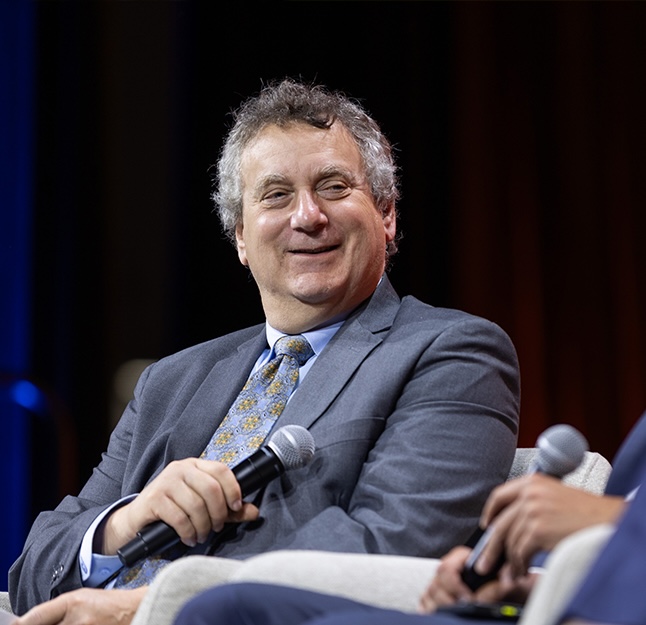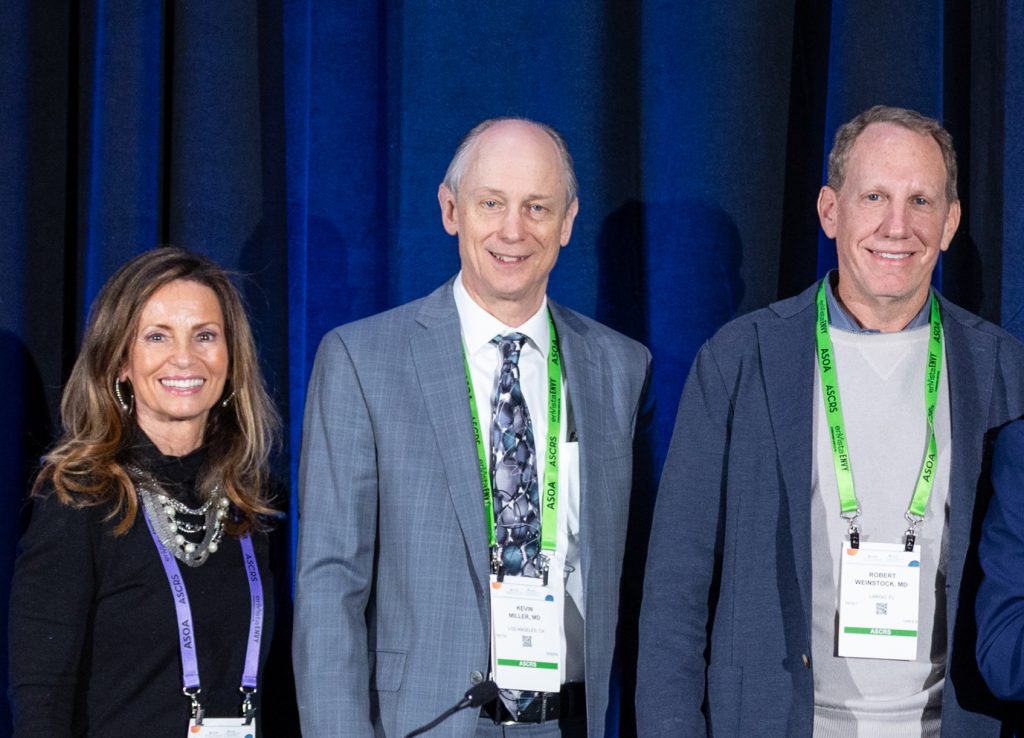
The second annual ASOA ASCRS Business of Interventional Glaucoma program on Thursday, April 9, began with a packed room of attendees motivated to have a better understanding about the interventional glaucoma (IG) mindset and how to implement such a mindset in their own practices.
“Today’s session is designed to be one part presentation, one part workshop,” Mr. Jensen said, explaining that attendees will leave with 1) a “belief that interventional glaucoma is something we have to harness because we have a real problem with how we’re treating our patients today. … In fact, we’re under-treating them. And 2) you will leave with a blueprint of how you will implement this when we go home.”
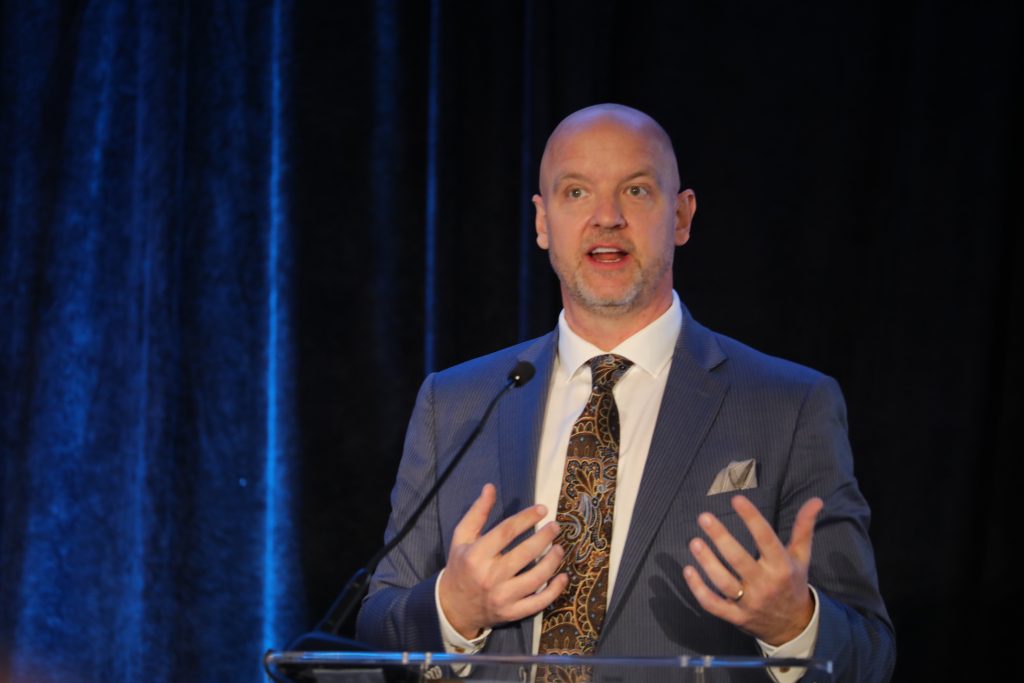
Source: ASCRS
So why is interventional glaucoma something practices should care about and invest in?
“There are converging forces in what we do today,” Mr. Jensen said. This includes 1) an overwhelming amount of patients who, especially in the world of glaucoma, are lost to follow-up; 2) there are too few doctors treating glaucoma patients; 3) reimbursement for ophthalmology’s most common procedure (cataract surgery) is going down, while reimbursement in the IG category is promising; and 4) due to what’s been learned in other categories, practices are ready to implement the interventional glaucoma mindset.
Mr. Jensen built the case for why attendees should believe in the IG model. When it comes to drop therapy, the current mainstay of glaucoma management, 90% of patients are noncompliant. Half of the patients on drops discontinue use within the first 6 months of their prescription. Patients on drops are also two times more likely to not follow up with their physician, leading to a critical monitoring gap and higher likelihood of vision loss.
Today, we want you to learn how to “look at the flow of your clinic or surgical environment and figure out who is responsible for what information, what education, and what technology so patients understand their options and are ready to go into an interventional mindset,” he said.
Christine Funke, MD, stepped up to delve deeper into the data that has helped her, as a surgeon treating glaucoma, to adopt and champion the IG mindset. “I could be up here all day talking about this,” she said. “Glaucoma is a really tough disease to be diagnosed with; it’s a really tough disease to treat as a physician. … We’re here to better this entire process.”
The biggest reason to adopt this mindset is the patient. “As a fellow and as a resident, all we had for glaucoma was medication therapy. We did a lot of that until patients were at the end stage of their disease … then we operated on them. This paradigm has started to shift, and [it’s] necessary to shift, because we don’t want that trajectory for patients. … We want to stall this disease earlier in the disease process, and we want control as the physician.”
Drop therapy, Dr. Funke said, makes her feel like she’s giving control over to the patient (which has significant, data-supported compliance issues, critical loss of follow-up, and a higher likelihood of progression), while surgical procedures available now are low risk and high gain, slowing down the progression of this incurable disease. She said that interventional glaucoma care not only helps control IOP while eliminating or minimizing drops, it also can help stabilize nocturnal IOP variability, which is significant in the disease process.
“If I can do something interventionally, I should be able to slow down the IOP variability day and night, and that’s super important. We want to control IOP fluctuation, and 24-hour IOP management is very important,” she said.
What’s more, patients who receive an IG procedure have a substantially higher rate of follow-up compared to those on drops alone, Dr. Funke said. “Patients like to be treated by us procedurally,” she said, adding “that’s really important because we need them to stick around.”
Why? Because patients who don’t receive follow-up for 3 years, according to one study cited by Dr. Funke, were twice as likely to go blind in a single eye. “If I can get more patients to come back, then this statistic doesn’t look so ugly. … If I know there are a lot of patients not coming back and their rate of blindness is much higher, but I know I can do something about that if I do something procedurally, for me that’s enough evidence to do something procedurally,” she said.
The rest of the full-day Business of Interventional Glaucoma program took attendees through how a drop management mindset negatively impacts practice productivity, how an IG mindset can be a positive revenue stream, the IG patient experience, how to build an IG consult, MIGS options, and more.
The Business of Interventional Glaucoma was sponsored at the Diamond Level by Glaukos, at the Platinum Level by Alcon, and at the Gold Level by AbbVie, Bausch + Lomb, Brevium, Navigate, New World Medical, Promptly, and Sight Sciences.