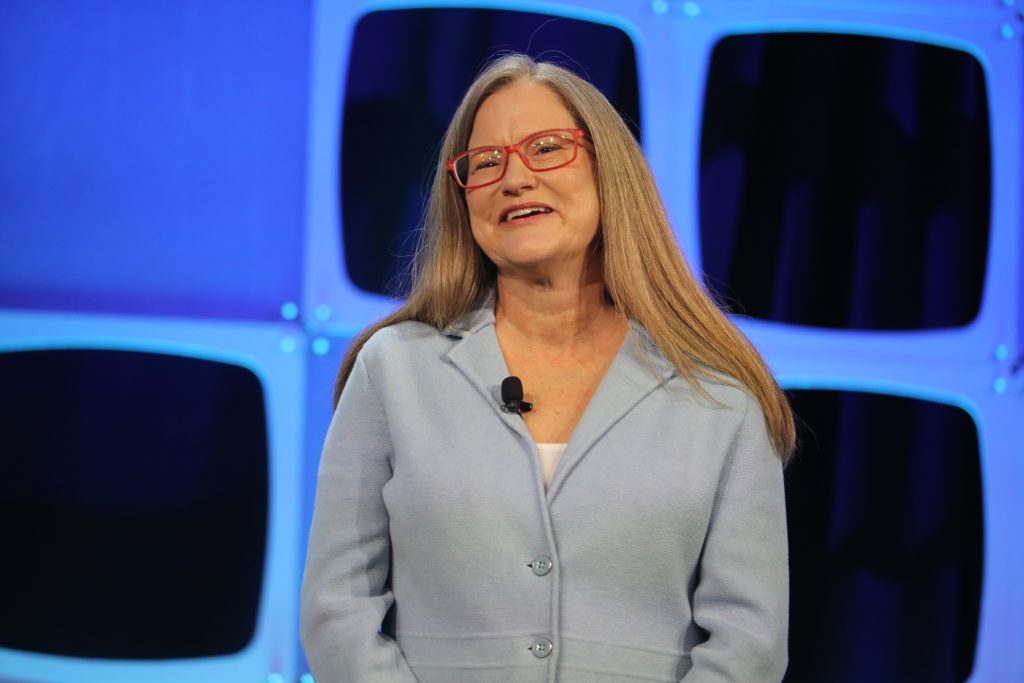
This year’s Richard L. Lindstrom, MD, Lecture, was given by David F. Chang, MD. His lecture was titled “Preventing Endophthalmitis – Evidence, Waste, & Regulatory Paradoxes.”
Dr. Chang began by speaking about his experience with endophthalmitis, noting his very first case was the mother of his UCSF ophthalmology chair. He had a cluster of cases in summer 1998, noting that several were resistant to the brand of new fluroquinolones he was using. In 1998, he started using intracameral vancomycin.
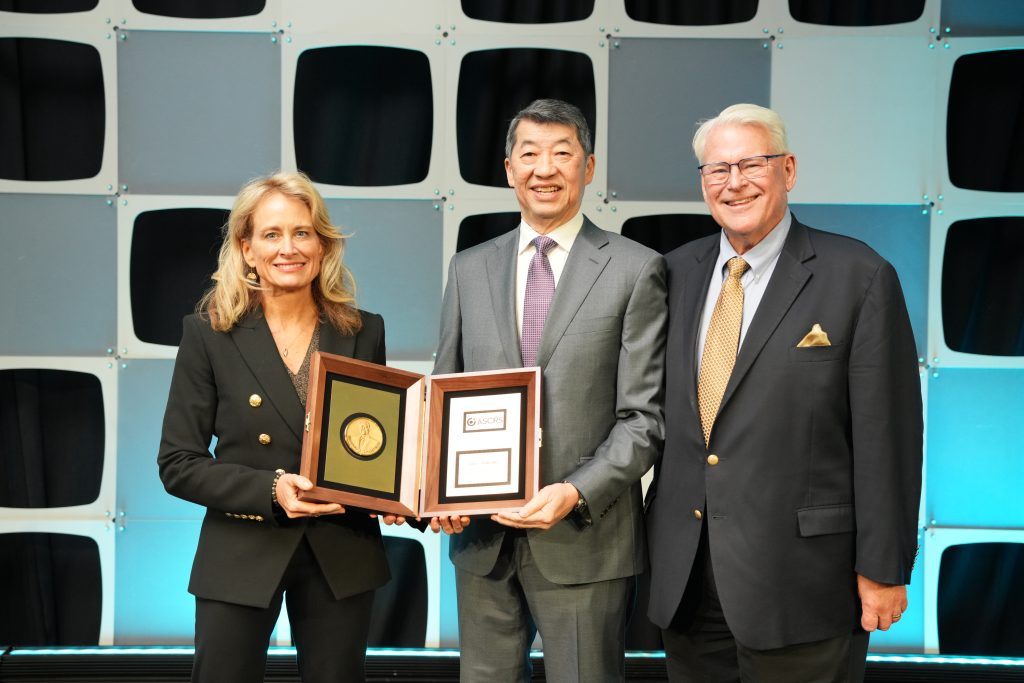
Source: ASCRS
He noted ESCRS guidelines and a randomized controlled prospective trial showing that cefuroxime is effective. We tried to bring it to the U.S., he said, but that was not a bulletproof trial.
Dr. Chang recognized his friendship and collaboration with Aravind Haripriya, MD, and Rengaraj Venkatesh, MD (the recipients of this year’s ASCRS Foundation Chang-Crandall Humanitarian Award). We worked hard to get intracameral antibiotics into the Aravind Eye Care System, he said, noting the large amounts of published data on this, first with extracapsular procedures, then with phaco.
He has also led three surveys of ASCRS members, looking at the trends of intracameral antibiotic use, and he noted the growth in adoption. But there is no intraocular antibiotic commercially available in the U.S.; there was a long effort from ASCRS to try to launch the TIME Study, but it failed due to funding because so many patients were needed.
There is a lack of level 1 evidence in many areas, and he mentioned that the APAO used expert consensus rather than studies to conclude that intracameral antibiotics work and moxifloxacin is preferred.
Dr. Chang shared a slide of ESCRS 2025 guidelines, which include the recommendation that an intracameral injection should be used (cefuroxime 1 mg in 0.1 mL) at the end of cataract surgery to lower the risk for postoperative endophthalmitis.
Switching gears to focus on sustainability, Dr. Chang noted that “infection control is at the heart of our unsustainable spending, resource use, and waste.” The greatest threat to public health is the climate crisis, and the healthcare sector is one of the big contributors to this.
Most of this waste is from disposal of supplies. This was part of the impetus for the creation of EyeSustain.
Aravind Eye Care System’s procedures came up again when Dr. Chang detailed their reuse of many surgical supplies, including surgical gowns, gloves, I/A tubing, and irrigation bottles (things that can’t currently be reused in the U.S.).
Dr. Chang mentioned cataract surgery regulations and infection control protocols. “If you look at these closely, they are never evidence based,” he said, adding that he looks at these as suggestions because there is no proof. But the underpinning of this is liability, and one issue is that general surgery recommendations are often applied to ophthalmology.
Dr. Chang said he would like to know when it’s not safe to reuse some of these supplies. The problem comes when something that’s a suggestion gets treated as a requirement.
He also further highlighted the work of EyeSustain, including a position paper on the unmet need for multiuse phaco cassettes, and he called on industry to make every machine have multiuse options.
In terms of wants and needs, he said, “We want the FDA to have a better classification system.” It needs to be clear what’s a requirement vs. a suggestion. CMS needs to go back to the way it was in 2009 when physicians had discretion to use judgment for off-label uses. We need manufacturers to give us reuseable things. We need the Center for Drug Evaluation and Research to allow approval without RCT, he said. He also said more people need to follow Aravind in the way some of these practices and procedures are examined.
Editors’ note: Dr. Chang has no relevant financial interests.