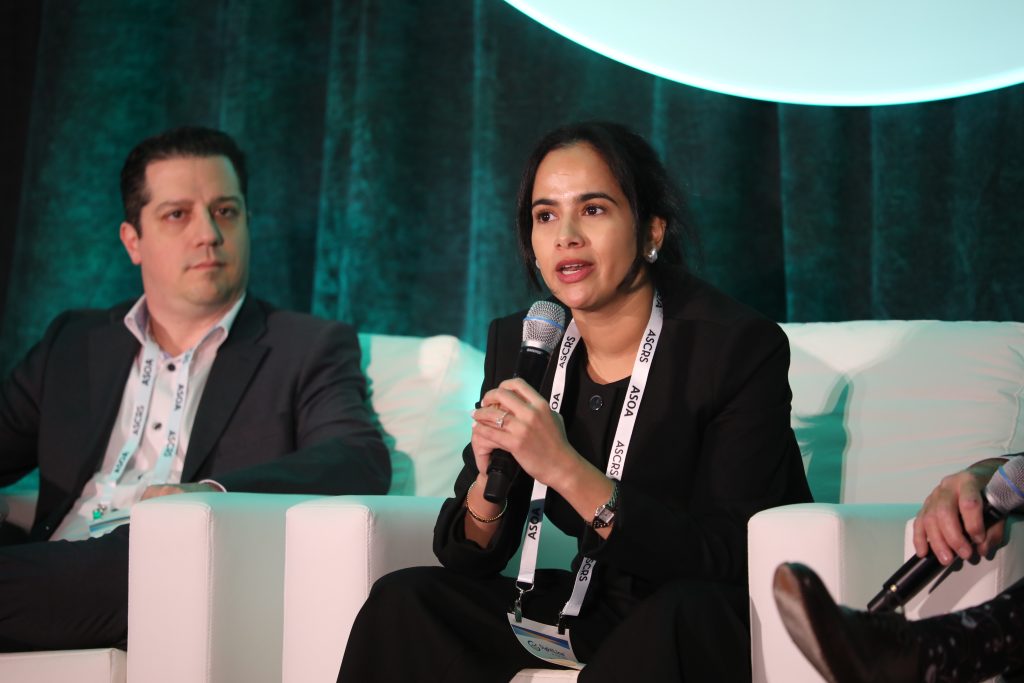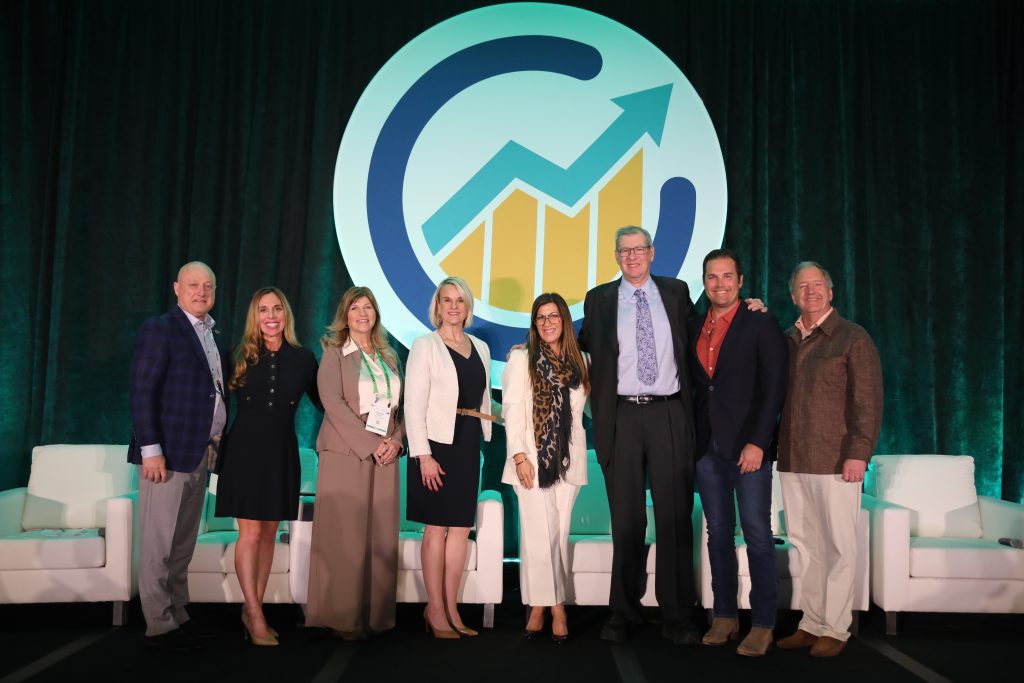
The second annual Holland Lecture took place at this year’s Cornea Day program. Mark Mannis, MD, gave the lecture on electrotherapy in ophthalmology.
He first went through some of the history of electricity in medicine, as well as specific uses for electricity in diseases of the eye. He also mentioned the development of iontophoresis, the use of electrical currents to deliver treatments into the body through skin. He noted two types of iontophoresis related to the eye: transcorneal and transscleral. But this really hasn’t taken off, he said.
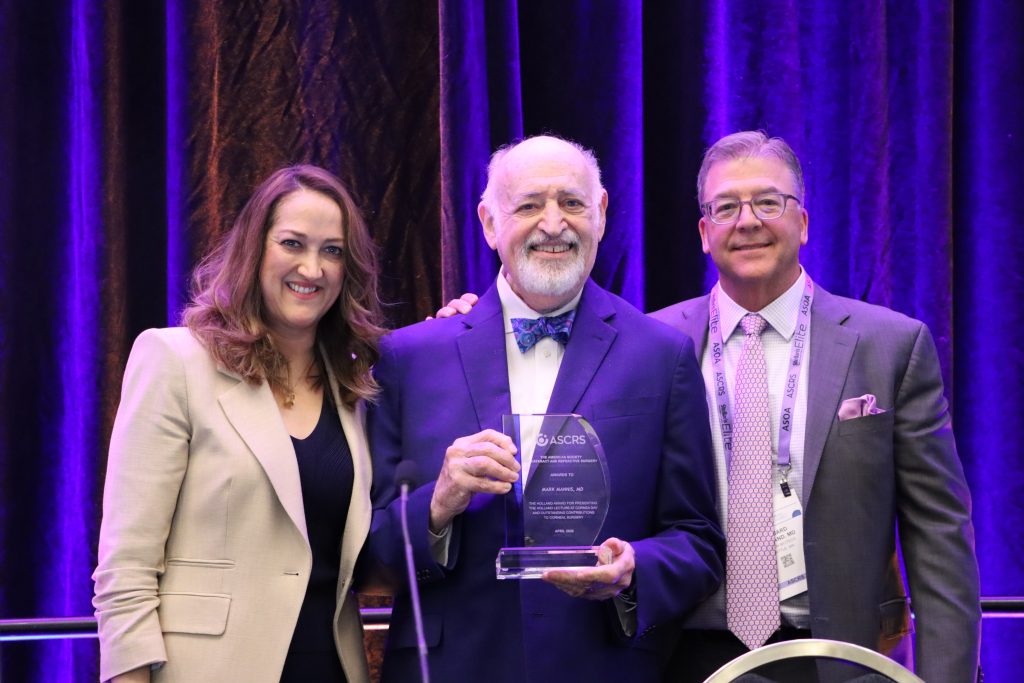
Source: ASCRS
With electrotherapy in contemporary ophthalmology, Dr. Mannis noted four categories: standard employment (like electrocautery), non-conventional therapy, cutting-edge technology (including things like visual prosthetics, subretinal prosthetics, epiretinal prosthetics, and more), and new techniques of electromodulation on the horizon.
In terms of electrotherapy and the cornea, Dr. Mannis noted treatments for neurotrophic issues (like herpes simplex, herpes zoster, and peripheral nerve damage) and stem cell deficiency (like chemical burns, thermal burns, contact lens abuse, and retinal surgery).
He also said that electrotherapeutics could potentially be applied as a treatment for non-healing epithelial defects (from NK).
There is an intrinsic bioelectricity in the cornea. On the surface on the tear side, there is a negative charge, while the back of the cornea has a positive charge. This regulates cell migration, cell proliferation, cell differentiation, innervation, and angiogenesis.
In terms of what has been learned, Dr. Mannis said that corneal wound electric current is generated mainly by Ca2+-activated Cl− channels (CaCCs) and is energy-dependent. Wounding upregulates CaCC mRNA and protein expression. Corneal wound healing depends on CaCC activity, he said, noting that diabetic rats have smaller wound currents and slower wound healing. Eye drops with drugs to enhance CaCC activity should promote wound healing, especially in elderly or diabetic patients.
Dr. Mannis went on to discuss “electroceutical” manipulation. He said that wound electrical fields are produced by ion transport, so “electroceutical” manipulation is possible. What we want to do is control cell behavior with electricity. AC EF stimulation provides a practical technique to achieve precision control of intracellular signals. Directional electrical stimulation modulates cell behaviors through control of intracellular signaling dynamics. Electroceuticals can be used to augment wound healing dynamics, he said.
Dr. Mannis also discussed contact lenses, which he said can be used for a variety of optical purposes. A contact lens that produces electricity is in development, using a solar activated lens. This would gather electricity from the sun and move that to the center by establishing a positive pole at the limbus and negative pole at the center.
Dr. Mannis said that electrotherapy in the field of medicine has been practiced for centuries. The world’s fascination with electricity continues considering the vital role of electrical impulses to biological life. Electricity as a therapeutic modality in ophthalmology has proven efficacy, Dr. Mannis said, albeit in the context of many bogus applications. There is renewed interest in understanding how electrobiology gives hope for new applications in many areas of our field and burgeoning interest in electrotherapeutics, he said, adding that the ocular surface is particularly suited to electromodulation.
Editors’ note: Dr. Mannis has no relevant financial interests.