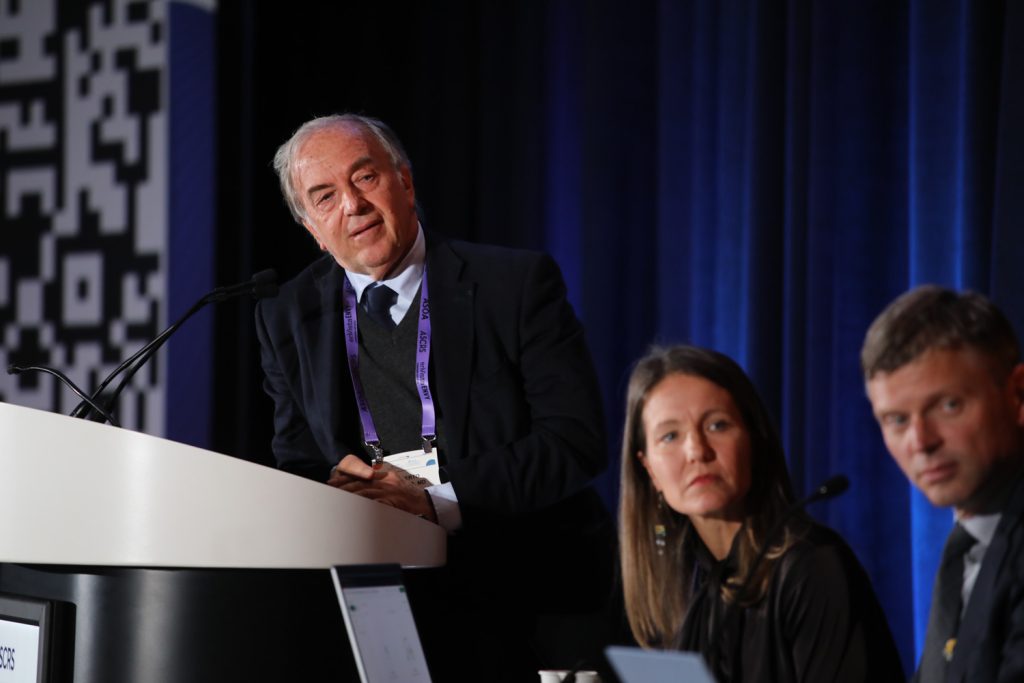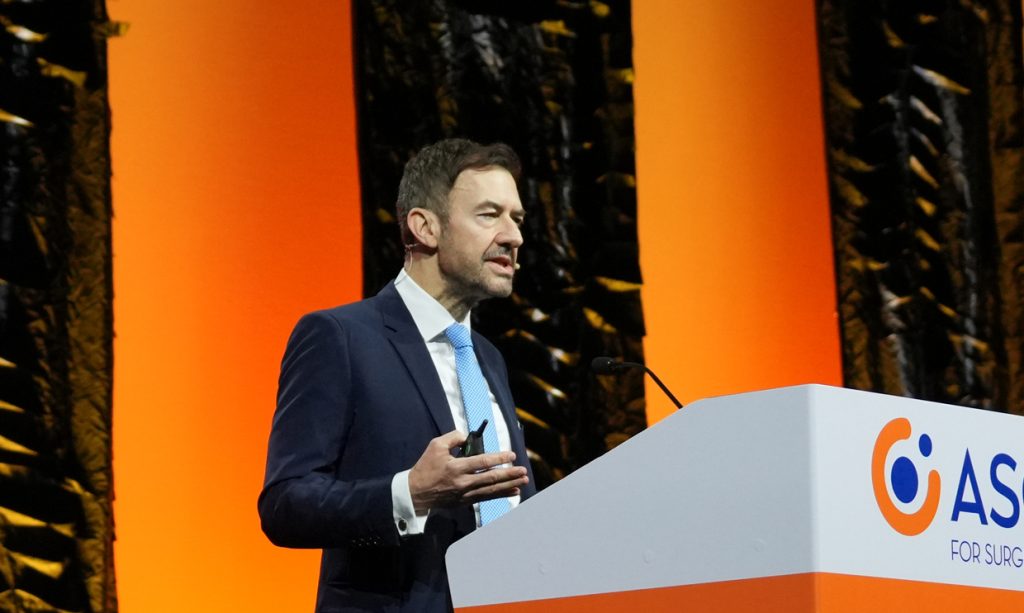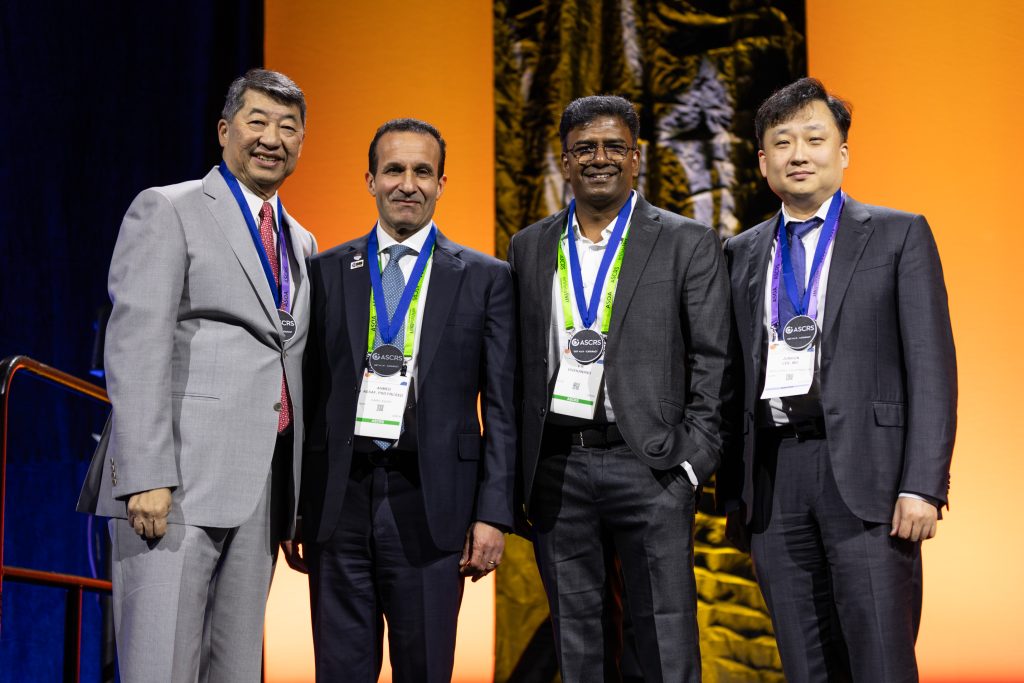
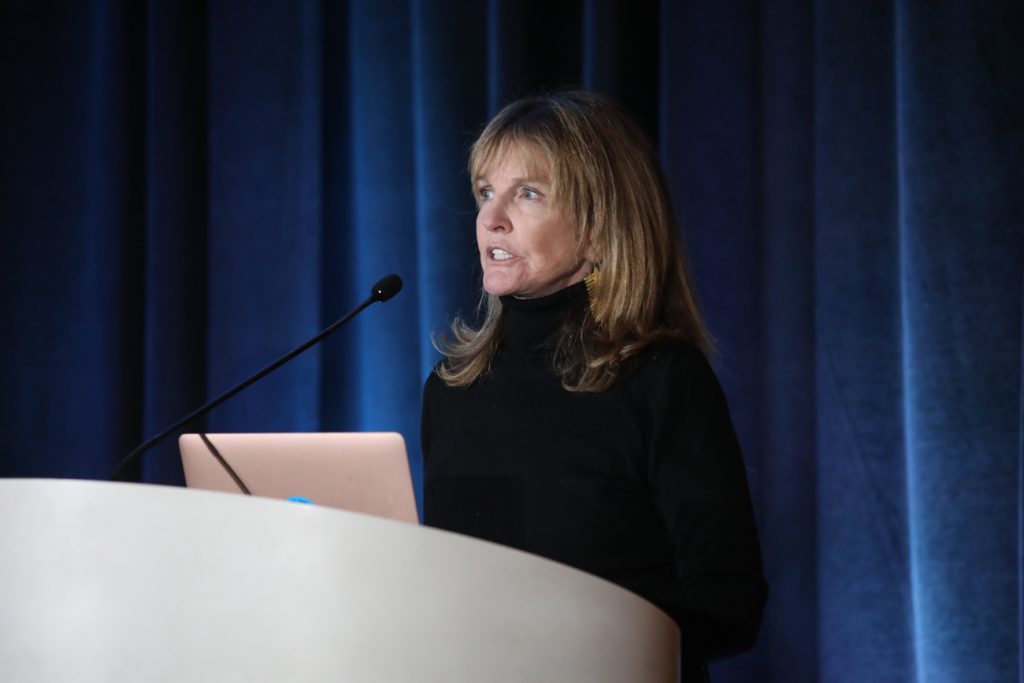
Susan MacDonald, MD, ASCRS Foundation Chair, introduced the ASCRS Foundation’s symposium, thanking Johnson & Johnson Vision for supporting it. The symposium highlighted ophthalmic care strategies during humanitarian crises, and it addressed challenges and how to ensure patient and physician safety.
Dr. MacDonald also announced the winner of this year’s Operation Sight Volunteer of the Year, Omar Shakir, MD. The Volunteer of the Year Award was sponsored by Sight Sciences.
Vasyl Shevchyk, MD, PhD, shared experiences from Ukraine and some of the challenges. War surgery is totally different, he said, and you have to do the best for the most and not everything for everyone. Discussing ocular trauma, he said there is a long wait from the time of eye trauma to receiving specialized help.
Some specific ophthalmology problems are no medical supplies (suture material, silicone oil, soft tissue, and bone implants), no specialized equipment, no skilled reconstructive oculoplastic surgeons, and the absence of protective ballistic eyeglasses. He stressed that these protective ballistic eyeglasses save the eyes and should be worn 24/7.
He noted that one of the most common mistakes in treating was covering eyes with cotton bandages without a shield. Using a bandage without a shield can lead to additional trauma.
Source: ASCRS
Shehzad Batliwala, DO, shared his experience doing humanitarian work in Gaza and offered some insights and tips for doing this type of humanitarian work. Preparation is key and not just clinically, he said.
He noted that one eye hospital in the region served around 2 million people, and it was a very resource-depleted environment. While there was a great team there, the structure of the system limits their potential.
Dr. Batliwala showed a photo of the supplies he was able to bring with him on his trip, noting that there were many border restrictions, so you often need to maximize your supplies. He also showed a video of the OR where the lights went out in the middle of the procedure, forcing him to pause his case until they came back on. The hardest thing is to control your composure, he said. It’s a very resource-limited environment, and that’s when you have to be creative and adapt to the situation.
He noted some of the ocular injuries that are often seen, including blast injuries, penetrating and perforating injuries, and chemical and thermal injuries, as well as a backlog of prior injuries/neglected care. He added that 15% of war injuries are ocular related.
Dr. Batliwala highlighted the importance of sustainability, in his personal experience and with humanitarian work in general. The biggest takeaway he had from his experience was that none of this matters if we come back and we haven’t empowered doctors and surgeons there to take care of patients.
Dr. Batliwala said humanitarian ophthalmology is about clinical skill, strategic communication, and cultural humility, but above all else, it’s about resilience.
During his presentation, Daniel Anderson, MD, discussed triaging risks and offered some “dos and don’ts” in hot zones.
Do: Align with larger, established organizations; know the head of security, evacuation protocols; sanitize, use a burner phone, bring a passport; travel as yourself and tell the truth
Do not: Self deploy (don’t just show up); join start-up organizations; post social media or selfies (wait until you’re home); dress tactical
Transportation can be unreliable, Dr. Anderson said, adding that your supplies may be limited to what you can carry. He also suggested registering with the state department and using the buddy system, as well as making computer files of all photo IDs, passports, medical history, etc.
Dr. Anderson also stressed the importance of protective eyewear in these areas.
Relevant disclosures
Anderson: None
Batliwala: None
MacDonald: None
Shevchyk: None